
08 Jul What It Takes to Become a Certified Life Coach
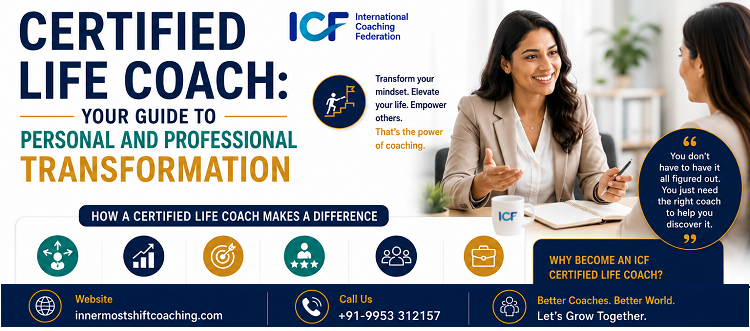
Certified Life Coach: Your Guide to Personal and Professional Transformation
In today’s fast-moving world, many people struggle with stress, lack of direction, career challenges, and personal obstacles. While friends and family may offer advice, lasting transformation often requires structured guidance from a professional. This is where a Certified Life Coach makes a meaningful difference. A certified life coach helps individuals identify their goals, overcome limiting beliefs, improve confidence, and create practical strategies for long-term success.
A certified life coach is trained in professional coaching techniques that encourage self-discovery rather than simply giving advice. Instead of telling clients what to do, a coach asks powerful questions, helps uncover hidden strengths, and supports clients in making decisions that align with their values and aspirations.
What Is a Certified Life Coach?
A certified life coach is a professional who has completed formal coaching education and training through a recognized coaching program. Certification demonstrates that the coach has learned proven coaching methods, ethical practices, communication skills, and goal-setting techniques.
Life coaches work with clients across different areas of life, including:
• Career development
• Leadership growth
• Personal confidence
• Work-life balance
• Relationship improvement
• Time management
• Stress management
• Goal achievement
• Personal transformation
Their role is to empower clients to unlock their own potential and create sustainable positive change.
Benefits of Working with a Certified Life Coach
Hiring a certified life coach offers many advantages beyond simple motivation. Coaching creates accountability, clarity, and confidence while helping individuals take consistent action toward meaningful goals.
Some key benefits include:
• Improved self-awareness
• Better decision-making
• Increased confidence
• Greater emotional resilience
• Clear personal and professional goals
• Stronger communication skills
• Better productivity and focus
• Reduced self-doubt
• Healthier mindset and habits
A coaching relationship provides ongoing support that helps clients remain committed to their growth journey.
Why Certification Matters
Anyone can call themselves a life coach, but certification provides credibility and demonstrates professional training. Certified coaches understand structured coaching frameworks, ethical standards, active listening, and powerful questioning techniques that produce measurable results.
Professional certification also helps clients feel more confident because they know their coach has received formal education and practical coaching experience.
Choosing a certified coach increases the likelihood of receiving high-quality guidance that is both supportive and results-oriented.
Who Can Benefit from Life Coaching?
Life coaching is valuable for people at every stage of life. Whether someone wants to improve professionally or personally, coaching provides practical tools for success.
Life coaching is ideal for:
• Students preparing for future careers
• Working professionals seeking career growth
• Entrepreneurs building successful businesses
• Managers developing leadership skills
• Individuals facing major life transitions
• People seeking purpose and clarity
• Professionals looking to improve confidence
• Anyone committed to personal development
Every coaching journey is customized according to the individual’s goals and challenges.
Qualities of an Effective Certified Life Coach
Not all coaches work in the same way. A great certified life coach combines professional knowledge with genuine empathy and strong communication skills.
Important qualities include:
• Excellent listening abilities
• Strong communication skills
• Emotional intelligence
• Professional ethics
• Goal-oriented mindset
• Positive encouragement
• Accountability support
• Respect for client confidentiality
• Continuous learning and development
These qualities help build trust and create a productive coaching relationship.
How to Become a Certified Life Coach
If you’re passionate about helping others succeed, becoming a certified life coach can be a rewarding career. A quality certification program typically includes coaching principles, communication techniques, psychology-based coaching methods, ethics, practical coaching sessions, and ongoing mentoring.
After certification, many coaches choose to specialize in leadership coaching, executive coaching, wellness coaching, career coaching, or mindset coaching, allowing them to serve clients with specific needs.
Conclusion
A certified life coach does far more than offer advice—they help individuals discover their strengths, gain clarity, and take purposeful action toward meaningful goals. Whether you’re looking to improve your career, relationships, confidence, or overall well-being, working with a certified life coach can provide the structure and support needed for lasting transformation. Likewise, becoming a certified life coach offers the opportunity to make a positive impact while building a fulfilling and rewarding profession.
Frequently Asked Questions (FAQs)
1. What does a certified life coach do?
A certified life coach helps individuals identify goals, overcome obstacles, improve confidence, and create practical action plans for personal and professional success.
2. Why should I choose a certified life coach?
Certification shows that the coach has completed professional training, follows ethical coaching practices, and uses proven coaching techniques.
3. Can a life coach help with career growth?
Yes. Life coaching can improve career planning, leadership skills, communication, confidence, and decision-making.
4. Is life coaching suitable for everyone?
Life coaching is beneficial for students, professionals, entrepreneurs, leaders, and anyone seeking personal growth or positive life changes.
5. How many coaching sessions are usually needed?
The number of sessions depends on your goals. Some people see results in a few sessions, while others continue coaching over several months for ongoing development.
6. Can I become a certified life coach without previous experience?
Yes. Many certification programs are designed for beginners and provide the knowledge, practical skills, and mentoring needed to start a coaching career.
7. What skills should a certified life coach have?
A successful life coach should possess strong communication skills, active listening, empathy, emotional intelligence, professionalism, and the ability to motivate clients toward meaningful action.
Sorry, the comment form is closed at this time.